Notes → diagram
You don't invent the diagram. It's already hiding in your words — find it. A method for turning a page of notes into the one picture it wants to be, plus the same system drawn four ways.
The words in your notes tell you the diagram. A recurring noun wants a box; a “then / sends” wants a sequence; an “if / fails” wants a flowchart. Read the tells, pull the picture out in four passes, then draw coarse to fine.
1 · Which type? The words tell you
Scan your notes for these tells. Each one names a diagram type before you draw a single line.
| What you wrote | What it wants to be |
|---|---|
| a noun you write twice | box / component |
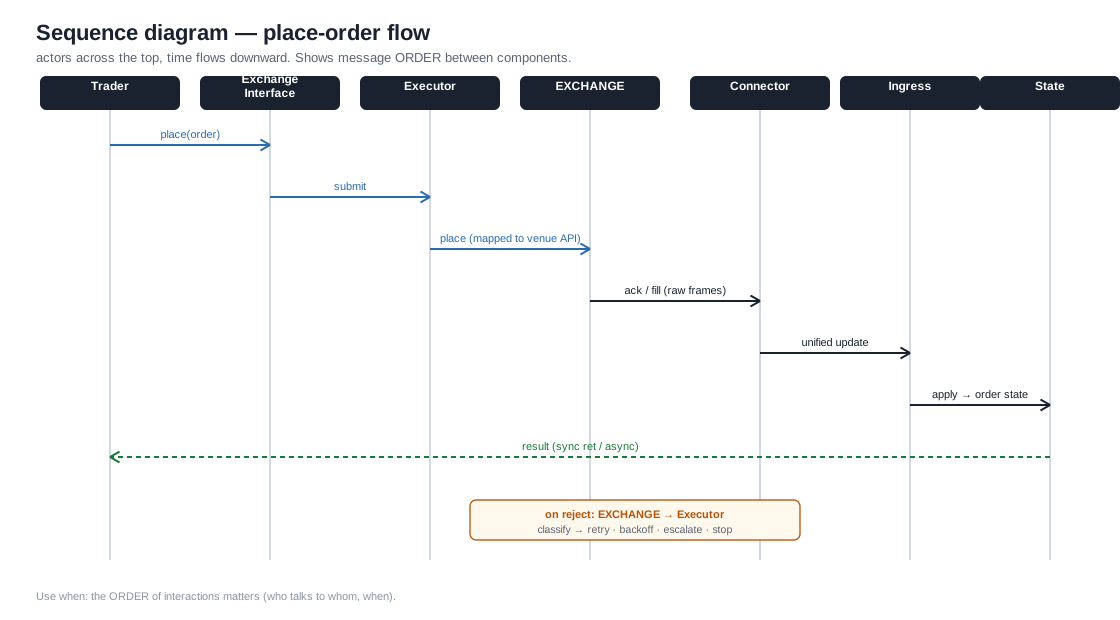
then · sends · returns · after | sequence |
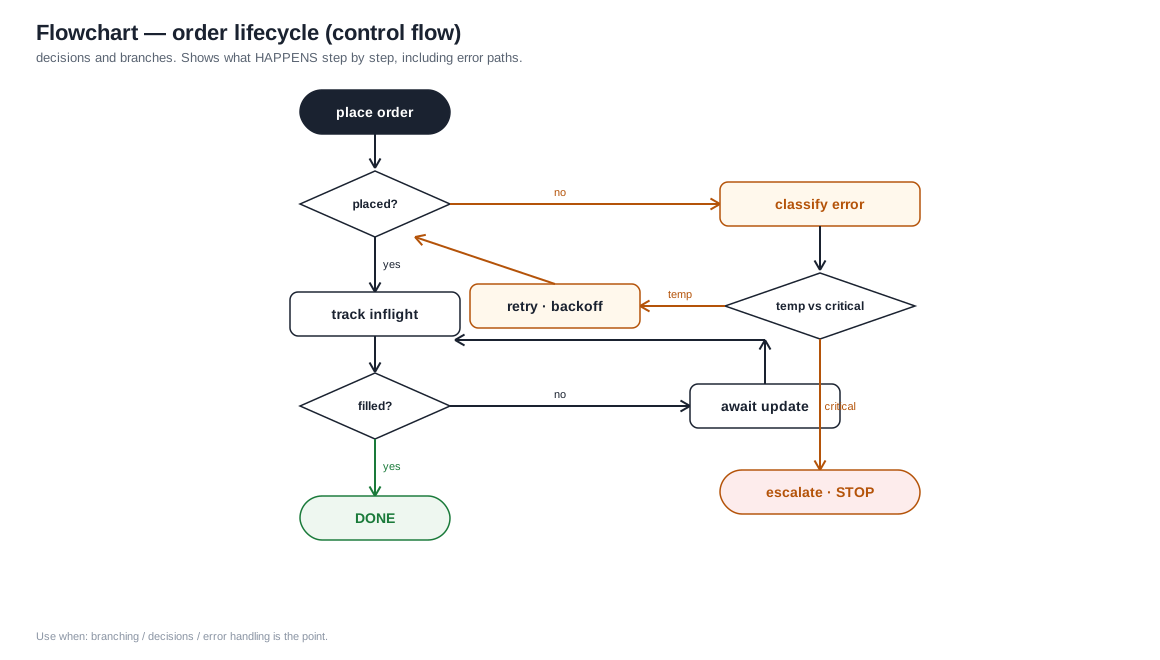
if · fails · valid? · else · retry | flowchart |
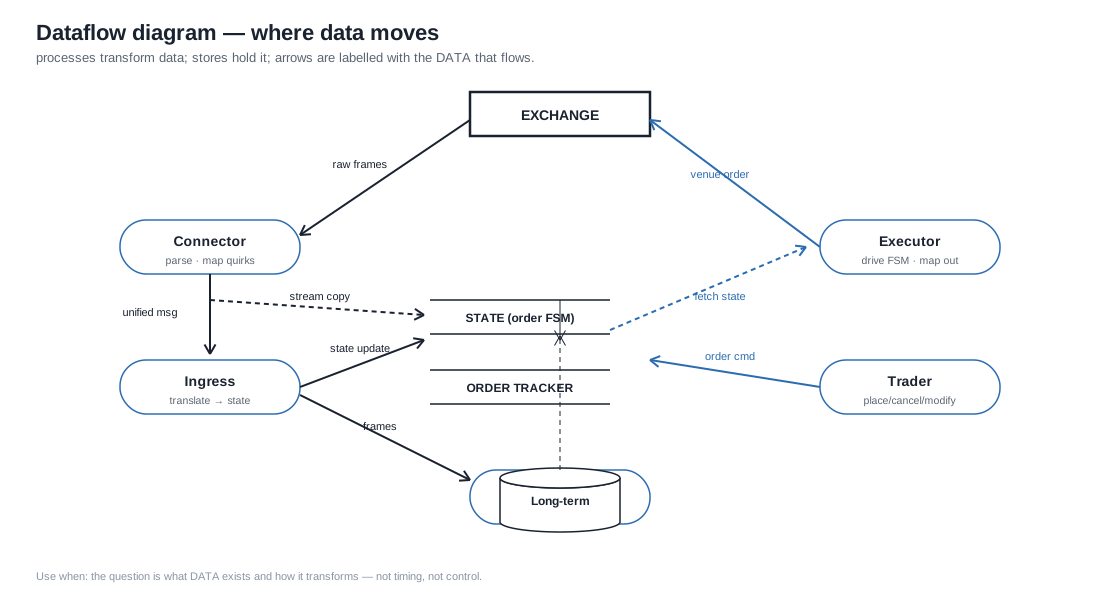
parses · translates X→Y · maps | dataflow |
owns · responsible for · belongs to | responsibility map |
a ? | margin note, NOT a diagram |
2 · Extract it in 4 passes
- Circle the nouns. → boxes
- Underline the verb between two nouns. → arrows
- Box the questions off to the side. → margin
- Pick the ONE relationship you care about — order? data? decision? ownership? That names the type.
2 nouns + a verb (“connector parses frames”) = 1 arrow, 2 boxes. Draw it.
1 noun + adjectives (“state is authoritative”) = a label. Don't box it.
See no diagram at all? You don't have components yet — you're still listing. Force the 3–7 nouns first; the boxes appear the moment the names stabilise.
3 · Order to draw them — coarse → fine
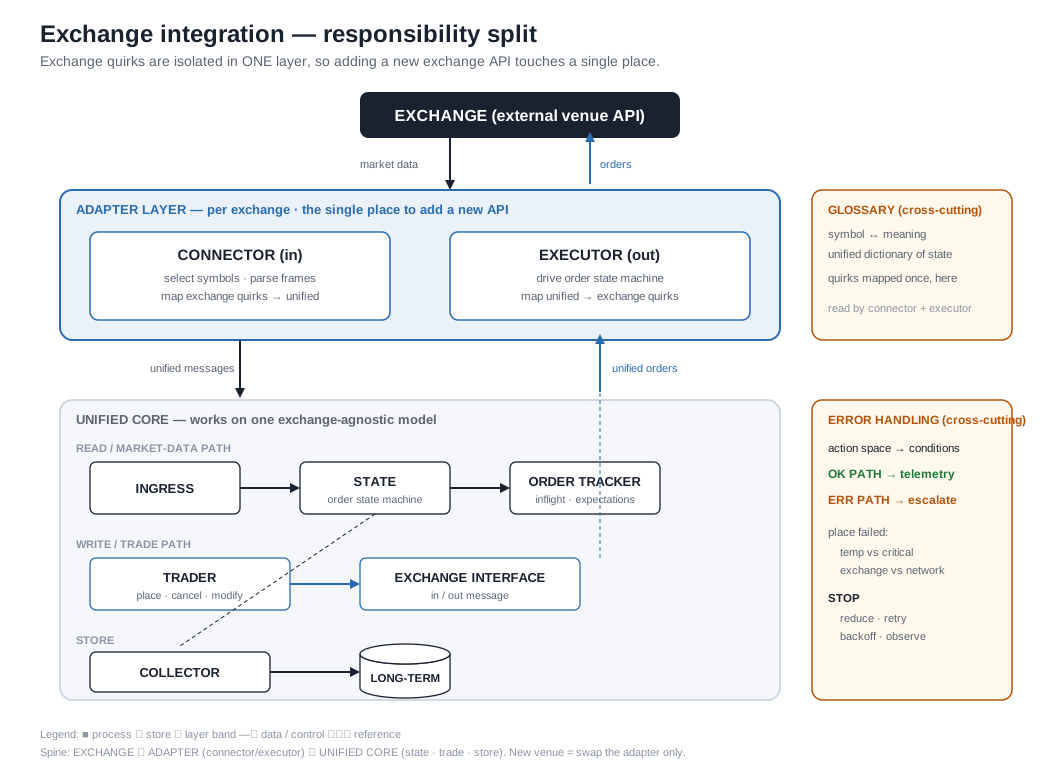
Top-down layers → dataflow → sequence → flowchart. The first two describe the whole system; the last two zoom into one corner — reach for them only when a bit is tricky.
The same system, four ways
One exchange-integration system, drawn four ways. Each view answers a different question — pick the one that fits what you need to say.